
Oral Surgery
While we always aim to preserve natural teeth whenever possible, there are situations where surgical intervention is the most appropriate path forward — whether that means removing a tooth, placing a dental implant, or preparing the mouth for future treatment. Our practice offers a range of oral surgery services performed with care, precision, and a commitment to your comfort throughout the process.
Many patients feel anxious about the idea of oral surgery, and we take that seriously. Our team will take the time to explain each procedure clearly, answer your questions, and ensure you feel prepared and at ease before anything begins.
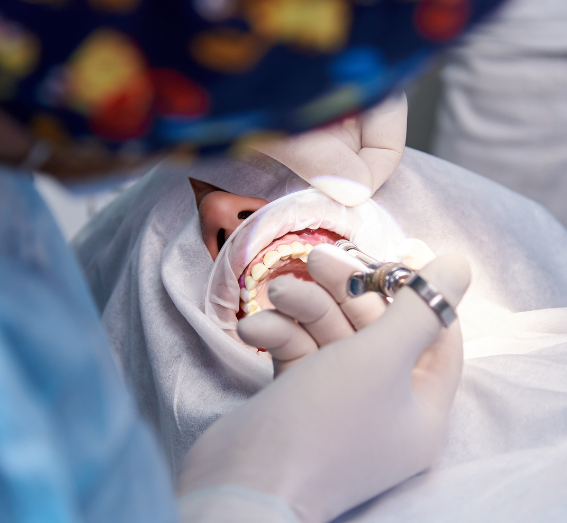
Simple and Surgical Extractions
A simple extraction is performed when a tooth is visible in the mouth and can be removed without the need for an incision. We loosen the tooth with a specialized instrument and remove it with forceps — the procedure is typically quick, and local anesthesia keeps you comfortable throughout.
A surgical extraction is required when a tooth is not easily accessible — for example, when it has broken off at the gum line, has not fully erupted, or has curved or unusually shaped roots that complicate removal. In these cases, we make a small incision in the gum tissue and may need to section the tooth before removing it in pieces.
Both types of extractions are followed by instructions for caring for the extraction site during healing. We’ll also discuss tooth replacement options, since filling the gap left by a missing tooth is important for maintaining the alignment and health of the surrounding teeth.
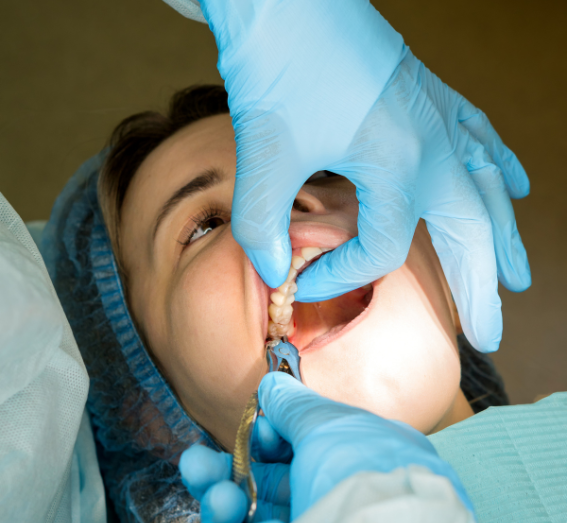
Third Molar Extractions
Third molars — commonly called wisdom teeth — are the last teeth to develop and often the first to cause problems. Many people don’t have enough room in their jaw for wisdom teeth to erupt properly, which can lead to impaction (when the tooth is trapped beneath the gum or bone), crowding of neighboring teeth, infection, and pain.
We evaluate wisdom teeth as part of our routine dental exams and use X-rays to monitor their development. When extraction is recommended, we’ll discuss the procedure, anesthesia options, and what to expect during recovery. In many cases, removing wisdom teeth proactively — before problems develop — leads to a simpler extraction and faster healing.
Frenectomy
A frenulum is a small fold of tissue that connects the lip or tongue to the jaw or floor of the mouth. When this tissue is unusually tight or thick, it can restrict movement — a condition sometimes called being “tongue-tied” or “lip-tied.” In children, a tight frenulum can affect nursing, speech development, and the alignment of the front teeth. In adults, it can contribute to gum recession, speech difficulties, or denture fit issues.
A frenectomy is a simple procedure that releases the frenulum by removing or repositioning the tissue. It is typically performed quickly and with minimal discomfort, and healing is usually straightforward.
Dental Implant Placement
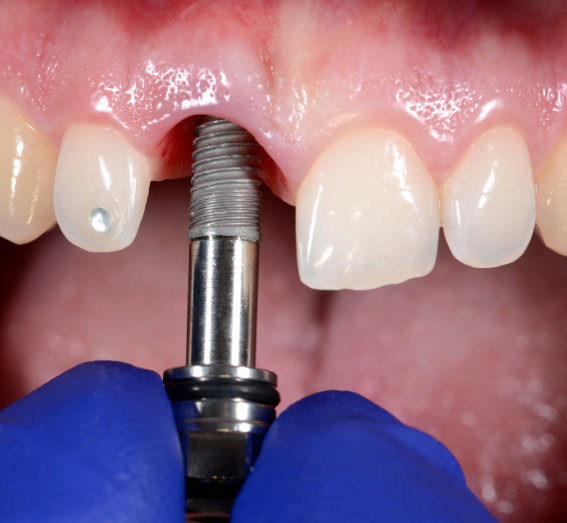
Dental implants are the most natural-looking and functionally superior option available for replacing missing teeth. An implant consists of a small titanium post that is surgically placed into the jawbone, where it integrates with the surrounding bone over the course of several months before being restored with a custom crown, bridge, or denture attachment.
We offer implant placement for selective cases as well as a broader range of implant cases, allowing many patients to complete their entire implant journey — from placement to final restoration — at our practice without needing to be referred to a specialist.
Bone Grafting and Sinus Lifts
For patients who have experienced bone loss in the jaw — often due to tooth loss, gum disease, or trauma — bone grafting may be necessary to provide a solid foundation for dental implants or to restore the natural contours of the jaw.
A bone graft involves placing bone material (which may be synthetic, from a donor source, or from your own body) in the area where bone has been lost. Over time, this material integrates with your existing bone and encourages new bone growth.
A sinus lift is a specialized type of bone graft performed in the upper jaw, below the sinuses. When back upper teeth are missing, the sinus cavity sometimes expands into the space where the roots used to be, leaving insufficient bone depth for implant placement. A sinus lift creates the space and bone volume needed for successful implant placement in this area.
Both procedures are performed with local anesthesia and, in some cases, sedation to maximize your comfort. Healing time varies, but these are well-established procedures with high success rates.
Your Comfort Is Our Priority
Oral surgery sounds daunting, but with experienced hands, thorough preparation, and proper aftercare, most procedures are far more manageable than patients anticipate. If you’ve been told you need an extraction, implant, or other surgical procedure, we encourage you to schedule a consultation so we can walk you through exactly what to expect.